
Community Care service
Eating well is one of the simplest and most powerful ways to stay strong, steady and independent — and it should still taste like your own food.
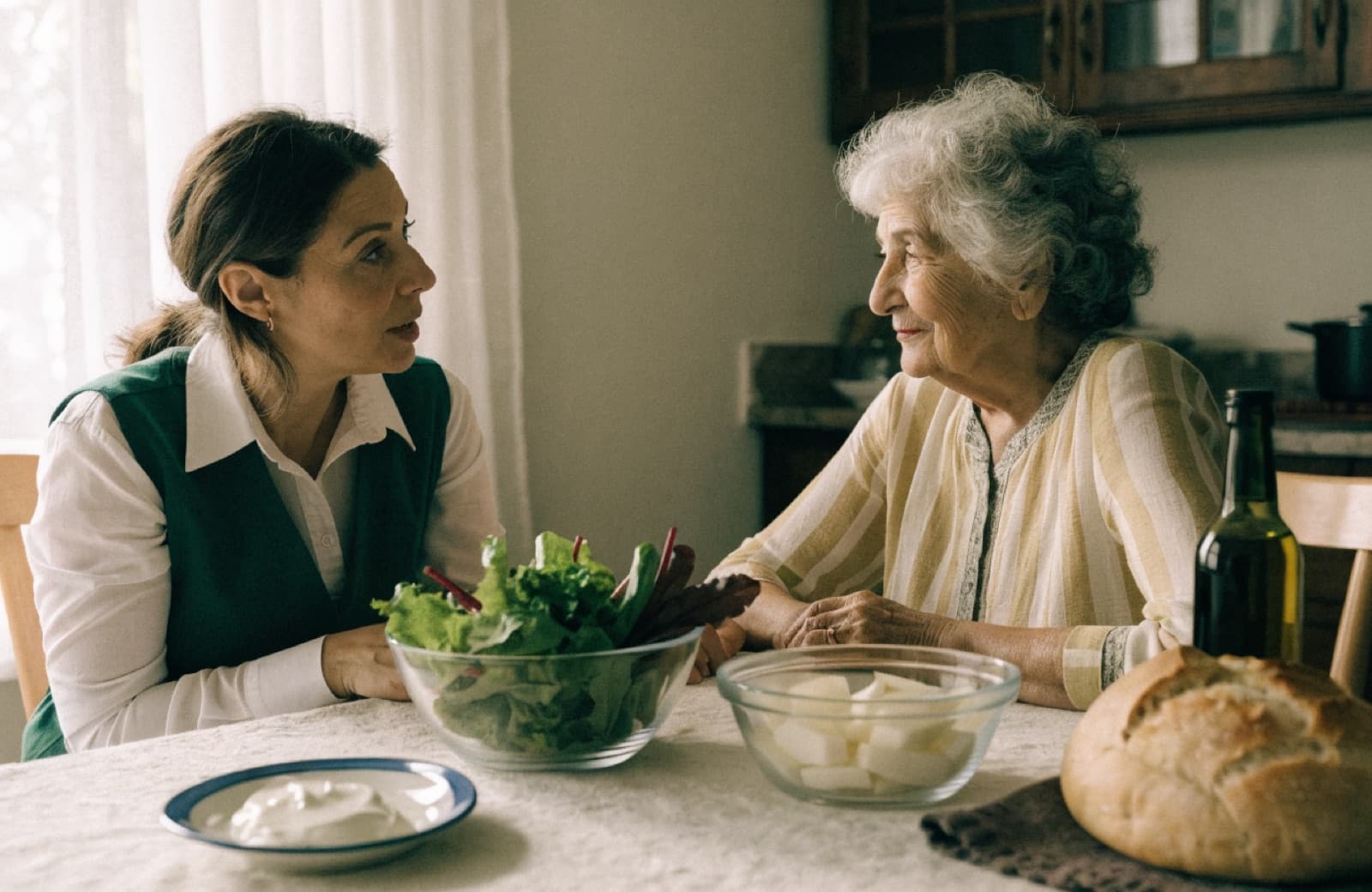
Appetite quietly changes as we get older. Taste dulls, cooking for one loses its appeal, shopping gets harder, and medications or illness can take the pleasure out of eating. The result is often unplanned weight loss and a slow loss of strength — which shows up as falls, fatigue, and a longer recovery from every setback.
Good nutrition support isn't a diet sheet. It starts with what you actually like to eat, and works out how to make that easier, safer and more nourishing.
A proper look at what you're eating, your weight history, your medications and what's getting in the way.
Practical ways to add nourishment when you simply don't feel like eating much.
Where swallowing is difficult, food and drinks modified to be safe — and still worth eating.
Diabetes, heart health, kidney disease or bowel problems, managed without stripping the joy from food.
Joining up the advice with real life — meal preparation, shopping assistance or delivered meals.
Where food alone isn't enough, supplements sourced and explained, and reviewed as you improve.
For many of the people we support, food is memory, faith and family — a Greek Orthodox fasting period, a dish someone has cooked their whole life. Nutrition advice that ignores that doesn't get followed. Ours works with your food, your culture and your traditions, not against them.
Clothes or rings getting looser
Often the first sign of unplanned weight loss.
Skipping meals
Or eating the same very limited things every day.
Coughing or choking at meals
A sign swallowing should be assessed promptly.
Cooking feels like too much
Especially for people who now eat alone.
Slow healing or frequent infections
Recovery is much harder when nutrition is poor.
Feeling weak or unsteady
Muscle loss from poor intake raises the risk of falls.
About what you're eating now, and what you'd genuinely like to eat.
A dietitian reviews your nutrition, weight, swallowing and medications.
Small, achievable changes built around your own food and routine.
Joined up with meal preparation, shopping or delivered meals if needed.
We track weight and strength, and adjust as things improve.
Seeing a dietitian is an allied health service, which sits within clinical supports under Support at Home — fully funded by the government, with no contribution from you.
Nutrition products and supplements are quoted separately, at the actual cost plus a fee covering our support in sourcing and managing them. Meal preparation and delivered meals sit under Everyday living and do attract a contribution. All of it is published on our fees page.
Talk to a real person about care for yourself or someone you love. There's no pressure, and no cost to ask.